

Reflections on Four Decades in Central BankingJack GuynnPresident and Chief Executive OfficerFederal Reserve Bank of AtlantaKiwanis Club of AtlantaLoudermilk CenterAtlanta, Ga.August 22, 2006Thank you for the nice introduction. But let me say that it feels strange to hear you describe my upcoming retirement. I guess I’m still coping with the reality that my 42-year tenure at the Federal Reserve Bank of Atlanta is about to end.When I graduated from Virginia Tech back in the mid 1960s, I surprised my family and friends by taking a job with the Atlanta Fed. Before I left, some of my classmates responded with a gag gift: a green eyeshade, like one of those visors tellers used to wear in old movies like “It’s a Wonderful Life.”Many of my college friends were going into more glamorous fields such as aerospace or computer design. And in their minds, I was condemned to life in a stodgy, backwater industry. In that era it was thought you would choose one place to work and stay for your entire career.But, as it turned out, the financial services industry and the U.S. economy went through a revolution. Technology, competition, and a growing demand for information were catalysts for dramatic change. Certainly, this transformation made my career more interesting, and I expect even more change ahead.So, you might ask, “What’s the big deal?” Well, I believe that banking’s shift from a low-tech field without competition into a dynamic industry had a profound impact on our personal and business lives and is a major part of our nation’s economic success. In describing these changes today, I’d also like to point to some potential concerns for the next generation of policymakers.Changing how money is usedLet me begin by talking briefly about what bankers call their “back office operations”—the payment systems that most people take for granted. In the 1960s, if you peeked inside the Fed or most commercial banks, you would have seen endless bundles of checks and cash being counted and sorted by hand. As you can imagine, the process was inefficient.Often, it took three to five days or longer for a check to clear. During the high interest rate 1970s, folks would use this lag to their advantage through a practice we called “remote disbursement.”For instance, oil companies were notorious for writing big checks to pay for Gulf of Mexico oilfield leases, and they used checks drawn on small banks in remote places such as North Dakota. With interest rates at 15 percent, each day’s delay in payment for a $50 million check was worth about $20,000. So receivers of these large checks sometimes would buy a plane ticket for a courier to physically take the piece of paper across the country to speed collection.As more powerful technology became available we got busy and worked to improve the process. Not long after I started at the Fed, we realized that one computer-driven check sorter could do the work of 40 or 50 manual processors. Automated check processing became a classic application for emerging computer technology. Also, instead of relying solely on trucks, the Fed began to charter airplanes to carry checks long distances overnight.Computers that made check processing more efficient also enabled new electronic payment systems such as the automated clearinghouse, which facilitates transactions like direct deposit of payroll checks. During that period, credit cards also became more popular. With new methods of payment, the whiz kids of the banking industry began to think that a checkless—even a cashless—society was imminent.But it was not to be—at least not then. By speeding the collection of paper checks, the Fed may have delayed conversion to electronics. Also, regulations allowed banks to demand presentment of a paper check for payment, which also discouraged change. So many banks and their customers did not enthusiastically embrace new technology. In 2000 Americans were still writing 42 billion checks. And with the proliferation of automated teller machines, banks continued to circulate more—not less—cash.Finally, a few years ago, the volume of check payments began to decline about 4 percent per year—while electronic payments volume started to increase at double-digit rates. This transition continues as debit cards become more popular and businesses convert more and more check payments to electronic entries at the point of sale. You may have seen some of those new types of electronic conversions on your own bank statement.Looking ahead, I believe there will always be a market for cash and checks. But today’s kids who are now growing up on video games no doubt will prefer the convenience and speed of electronic payments. As money changes hands in new and faster ways, we face an evolving risk of fraud and identity theft. So consumers must be vigilant in managing their accounts. And financial institutions must ensure that their payment systems operate on a solid foundation of trust, which is at the heart of a strong financial system.The challenge of competition in bankingTechnology has changed not only payment, but also the whole financial system and U.S. economy. Just think of the impact of the Internet and the advance of cellular and digital communications. This recent progress has helped businesses to work more efficiently and allowed emerging economies around the world to develop more quickly than we ever imagined. Globalization, by the way, has lessened the cost of many imported goods and boosted demand for U.S.-produced goods and services.Along with technology, banking also has been transformed by competition. When I joined the Fed in the 1960s, banks were subject to rigid controls imposed by the states and Congress during the Great Depression. The idea was to maintain financial stability by restricting competition—both geographically and along product lines.There were strict limits on the interest banks could pay on savings deposits, and banks could not pay interest on transaction accounts. These restrictions were thought to prevent ruinous interest rate competition. The task of managing a bank balance sheet was largely a matter of following supervisory guidelines—green eye shade kind of work.Most states limited banks’ ability to branch outside their home county. And in some places branching was entirely prohibited. With near monopoly power in their respective neighborhoods, banks had little incentive to grow or innovate. Hence, the cliché about bankers’ hours of 3-6-3—take in money from savings accounts at 3 percent, lend it out at 6 percent, and hit the golf course by 3 o’clock.In the 1980s, with high and rising inflation, the old regulatory framework began to unravel. Investment banks posed an early threat to the banking deposit franchise with the introduction of money market accounts, which some of you may remember.To compete, banks issued large denomination certificates of deposit, which were not subject to interest rate ceilings, thus significantly increasing their costs. As restrictions on interest payments were lifted, more and more banks and thrifts got into trouble. We all remember the crisis in the savings and loan industry, which resulted in a bailout that was estimated to cost $175 billion.The most difficult year in banking was 1988 when more than 200 banks failed. Earlier in that decade, I led our bank’s supervision function. I remember setting up what we called “the war room” at the Atlanta Fed. This was a place to deal with the complex closure of a family of banks in Tennessee. In the final days of that crisis, we worked around the clock to find a buyer for the largest of these banks—unsuccessfully, it turned out. We ended up just closing the bank and hoping this failure wouldn’t lead to an old-fashioned bank panic.The number of bank failures declined in the 1990s and has stayed low. Meanwhile, Congress continued to reform the regulatory framework. In turn, we saw the rise of well-capitalized megabanks leveraging technology to cut costs and offering diverse and sometimes complex new products in competition with investment banks and insurance companies. Now, it’s often hard to tell the difference between banks and nonbanks.This competitive fray directly benefits today’s consumers and businesses, who enjoy lower-cost financial services, more choices and better access to capital. The growth of mutual funds has led to the rise of a new class of investors. Computers unleashed powerful innovations in credit scoring, and, with those new systems, some borrowers can qualify for a loan in minutes, if not seconds. Innovations in credit analysis and market segmentation have helped millions of Americans become homeowners.If you want to buy a car, you can still get an old-fashioned two-year loan, but today you can also choose to make payments over eight or even 10 years. Along with traditional fixed-rate mortgages, we now have adjustable rate mortgages, interest-only mortgages, reverse amortization mortgages, and more. And in today’s financial supermarket, we also can find home equity loans, mutual funds, hedge funds and countless other ways to borrow or invest. With advances in information technology and mathematical modeling, today’s financial markets are better than ever at allocating risk to those with the greatest appetite for it.Is all of this competition a good thing? All in all, I’d say the answer is yes. However, sometimes I fret about some of the implications of our global connectedness and the sheer size of some financial institutions and their new products. And I worry that some homeowners don’t really understand their new and not-yet-fully-tested mortgages.Overall, however, I believe our economy is much stronger and more resilient today because of the creative adjustments our financial sector has made in response to the sometimes painful challenges of competition.The economy in transitionWhat are the lessons of technology, innovation and competition for our economy? During the mid-1960s, one-third of the jobs in the United States were in manufacturing, and during the decades after World War II, there was not much global competition. Now, only one in nine U.S. jobs is in manufacturing, and most of the new factory jobs require technical skills. The fastest growing fields—financial services included—depend on knowledge, not physical labor.We’ve all heard the sometimes bitter debate on outsourcing and immigration. However, our ports and logistics facilities overflow with low-cost goods from overseas. Imports and exports—added up—are now equivalent to about one-fourth of gross domestic product. That figure 40 years ago was about 10 percent. Today’s economy is truly global.We’re all aware of our current preoccupation with lost jobs to other parts of the world, both in manufacturing and the services sector. But looking at the data, you’ll see three important facts. First, the majority of jobs lost involve relatively low-skilled, low-productivity work in fields like apparel production and call centers. Second, with respect to manufacturing, while it’s true there are fewer factory jobs as a proportion of total U.S. employment, the U.S. share of the value of world manufacturing output has remained stable, reflecting increases in worker productivity. Third, while it’s true that certain service-oriented jobs have moved to other countries, we still export more services to the rest of the world than we import from others.What’s the bottom line of these changes in our economy? The march of globalization is relentless, and businesses will have to keep spending more on technology to improve productivity. Technology allows consumers and businesses to compare prices from vendors around the world and find new and less expensive sources. And innovations in supply-chain management reduce the inventory swings that used to be commonplace in our economy, helping to dampen the contribution of inventory adjustments to economic cycles.Painful lessons in monetary policyGood economic outcomes depend on good monetary policy, where I’ve spent the past 10 years of my career. Recent experience in this area offers several other lessons.In the 1960s, economic growth was strong in part because of the fiscal stimulus of tax cuts and increased military and social spending. The Fed’s policy of leaning against inflationary pressures attracted little attention. But in the 1970s, policymakers tried to insulate the economy from relative price movements in one important commodity—oil. The big mistake in this policy was the failure to recognize that controlling inflation was a necessary first requirement for sustaining long-term growth.After the 1970s oil price shocks, it became fashionable to embrace the false notion that one could improve economic outcomes by trading a bit of inflation for growth. As we should now know, a bit of inflation can get out of hand quickly, especially when consumers and businesses expect more price increases, waste time and effort trying to beat inflation, and then rush to spend more money in a vicious inflationary cycle. The consequences of high inflation were and remain economically poisonous: increased uncertainty and risk, the added incentive to consume instead of invest, cost of living adjustments, and other marketplace distortions.During the early 1980s, Fed Chairman Paul Volcker and his Fed colleagues broke the back of high inflation by raising interest rates well into double digits. The costs were huge—both in economic and human terms. The U.S. economy endured two painful recessions. And along with the run-up in bank failures that I just mentioned, entire industries such as homebuilding collapsed. Because of our tough policy, the Fed was suddenly thrust into the public limelight.By 1996, when I became Atlanta Fed president and part of the Fed policymaking group, inflation expectations were, once again, under control. About that time, the federal budget deficits were reined in. With the fortuitous convergence of low inflation and rapid growth, we enjoyed the longest economic expansion in U.S. history. In hindsight, I may have been naïve, but I thought that Americans had truly learned the value of responsible fiscal and monetary policy working in tandem to foster economic growth for the long-term.The last decade, under the leadership of former Fed Chairman Alan Greenspan, also brought about major changes in how the Federal Reserve communicates our monetary policy actions and thinking. This transparency was and still is consistent with greater public scrutiny of the Fed and parallels the increase of financial information in the private sector that is central to today’s market-based approach to regulation.As amazing as it may sound today, until 1994, there was no announcement about the direction of monetary policy—not even after Federal Open Market Committee meetings. Market participants had to divine whether or not rates had changed by looking at conditions in money markets. This “quiet” (or silent) approach to communications gave rise to a cottage industry of “Fed watchers” who were devoted to interpreting our policy actions and likely policy direction.Now, after each FOMC meeting, we not only announce our action but also provide brief comments on the economy and potential risks to the outlook. For the last three years, we have even tried to signal the likely path of policy—in my view, an approach that’s worked well during this particular period.Our new Fed Chairman, Ben Bernanke, has talked about the need to make our policy goals even clearer. Minutes of our recent FOMC meetings indicate that the Fed is studying and debating the limits to what we should say about the outlook and possible future policy actions. My Fed colleagues and I have found that market reactions to our Fed comments can be surprising. And, in an environment of seemingly endless data reports, it’s sometimes hard in the short run to distinguish meaningful economic signals from noise.This thinking about transparency will evolve. And I expect the Fed will keep trying new and different ways to communicate important views and actions, including perhaps establishing targets for acceptable levels of inflation. Clearly, more central bank communications are helpful, but there is ample room to debate how to reflect the range of views and uncertainties that are inherent in the policymaking process.An interconnected worldWhile I’ve tried to make the case that our financial system and economy have gone through revolutionary changes in the past 40 years, I want to leave you with the notion that things will keep getting more complex and more interesting.From a payments perspective, our vision of an efficient, predominately electronic system is in sight. There will be fewer and bigger banks, and competition will keep altering our financial marketplace. We will all face more potential risks and rewards as the selection of financial products continues to multiply.Our financial system and our economy will continue to become more interconnected. Every moment of every day, vast sums of money zip around the world. Nine years ago a financial panic in Asia quickly led to financial market repercussions around the world. And with the emergence of China and India and increasing U.S. indebtedness, the global flow of funds will continue to grow, and our economy will depend more and more on events and decisions that occur outside our national borders.Monetary policymakers must continue to account for all of these changes and others we can’t envision as technology advances and shocks occur. We’ve been reminded over and over how adaptable and resilient our U.S. financial system and economy are, and no doubt we’ll be tested again. I’m leaving the FOMC confident in the Fed’s commitment to keep inflation at bay. I’m sure future policymakers will remember the lessons we learned in the past 40 years about what happens when you start down the slippery slope of trading inflation for growth.I wish my college buddies who gave me the green eye shade were here with us today. Contrary to what they might have expected, my experience as a central banker has been fascinating and, at times, downright exciting.For a long time, I’ve enjoyed an up close and personal view on banking and the economy, and pretty soon I’ll be watching from the bleachers. Looking ahead to the next four decades, I think we all have good reason to expect our financial system and our economy will remain strong and continue to be the envy of the rest of the world.

[관련키워드]




[뉴스핌 베스트 기사]
 사진
사진
격전지 평택을·부산 북갑 판세는
[서울=뉴스핌] 박서영 기자 = 6·3 지방선거를 하루 앞두고 국회의원 재보궐선거가 치러지는 경기 평택을과 부산 북구갑이 여야 모두 '단일화 없는 정면 승부' 속 최대 격전지로 자리잡아 끝까지 결과를 예측하기 쉽지 않다.
두 지역 모두 '초접전' 3자 구도가 끝까지 유지되면서 막판 표심의 미세한 이동이 승패를 가를 것이라는 관측이 나온다.
지난 5월 14일 제9회 전국지방동시선거 평택을 국회의원 재선거에 출마하는 더불어민주당 김용남, 국민의힘 유의동, 조국혁신당 조국, 진보당 김재연, 자유와혁신 황교안 후보가 후보 등록을 마쳤다. [사진=뉴스핌 DB]
◆ 평택을, 민주·보수 모두 단일화 무산...김용남·유의동·조국 3자 초접전
경기 평택을에선 김용남 더불어민주당 후보, 유의동 국민의힘 후보, 조국 조국혁신당 후보가 오차 범위 내 접전을 벌이며 3자 구도가 굳어졌다.
프레시안이 한국사회여론연구소(KSOI)에 의뢰해 지난달 25~26일 평택을 유권자 703명을 대상으로 무선 자동응답(ARS) 방식으로 진행한 후보 지지도 조사 결과, 김 후보 21.4%, 유 후보 21.2%, 조 후보 23.4%로 오차 범위 내 접전이 펼쳐졌다. 김재연 진보당 후보와 황교안 자유와혁신 후보도 각각 9.4%, 12%를 기록했다.
3자 후보들의 우열을 가릴 수 없는 상황에서 김재연, 황교안 후보의 지지율이 10% 안팎으로 기록되자 단일화 문제가 평택을 판세를 뒤흔들 막판 변수로 떠올랐다.
그러나 범민주 진영에서 김용남, 조국, 김재연 후보 사이의 단일화 논의가 사실상 불발됐고, 보수 진영에서도 유 후보와 황 후보의 단일화 논의가 중단됐다. 양측 모두 '핵심 키'였던 단일화 카드가 무산되면서 뚜렷한 '1강' 없는 3자 구도가 이어질 전망이다.
김재연 후보는 지난달 28일 CBS 라디오에 출연해 "(단일화) 필요성을 느끼지 못한다. 지금 상황이 또 반드시 단일화를 해야 할 정도의 국면이 아니라고 생각하기 때문에 이 부분에 대해서는 완주 의지를 제가 계속 밝힌 바가 있다"라고 선을 그었다.
황 후보도 단일화 없는 '완주' 기류가 굳어졌다는 평가가 나온다. 유 후보는 이날 SBS 라디오에 출연해 "단일화하자고 제안했는데 사퇴하라고 하면 드릴 말씀이 없다"면서도 "지금 지역에선 흩어진 보수 목소리를 하나로 합쳐야 된다는 열망, 민심이 굉장히 크게 움직이고 있다"라고 가능성을 열어뒀다.
◆ 부산 북구갑, 한동훈 '상승세' 속 보수 분열…끝까지 안갯속
부산 북구갑은 하정우 더불어민주당 후보, 박민식 국민의힘 후보, 한동훈 무소속 후보의 3자 구도가 이어지는 가운데, 최근 여론조사에선 한 후보의 상승세가 두드러진다.
MBC가 코리아리서치에 의뢰해 지난달 26~27일 북구 갑 거주 만 18세 이상 500명을 대상으로 휴대전화 가상 번호 전화면접으로 실시한 여론조사에서 하 후보 37%, 한 후보 43%로 오차범위 내 접전이다. 박 후보 14%를 기록했다.
지난달 19일 공표 조사에 비해 한 후보는 10%p 상승한 반면, 박 후보는 6%p, 하 후보는 1%p 하락하면서 보수 지지층이 한 후보 쪽으로 결집하고 있다는 평가다.
이런 기류 속에 보수 단일화는 끝내 성사되지 못한 분위기다. 같은 조사를 살펴보면 범야권 후보 단일화 필요성을 묻자 '필요하지 않다'는 응답이 56%로 '필요하다'(33%)보다 20%p 이상 높게 나타났다.
이러한 상황에서 야권 후보들은 단일화 문제를 놓고 거센 설전을 이어갔다.
삭발 투혼을 불사하며 완주 의지를 내비친 박 후보는 지난 28일 자신의 페이스북에 한 후보를 겨냥하며 "가짜 보수인 주제에 국민의힘 이름 훔쳐 쓰려고 하는 게 딱하다. 무소속 (후보) 뽑으면 당내 분열이라는 비극을 반복하며 이재명 정부의 폭주만 도와주는 꼴"이라고 힐난했다.
이에 한 후보는 자신의 페이스북에 "현명하신 북구 시민 여러분께서 한동훈으로 단일화해 주시라"며 "박 후보 찍는 표는 단순한 사표(死票)가 아니라 민주당 하정우 후보 돕는 표이자 이재명 정권 폭주 돕는 표가 된다"고 맞불을 놨다.
본문의 여론조사에 대한 자세한 내용은 중앙선거여론조사심의위원회 홈페이지를 참조하면 된다.
seo00@newspim.com
2026-06-02 06:00
 사진
사진
산은·IBK기은 지방이전 재점화
[서울=뉴스핌] 정광연 기자 = 6·3 지방선거를 앞두고 국책은행 지방 이전 논란이 다시 불붙고 있다. 부산시장 선거에서는 한국산업은행 부산 이전이, 대구시장 선거에서는 IBK기업은행 대구 이전이 주요 공약으로 거론되면서다.
금융권은 국책은행 이전이 사전 협의 없이 선거 공약으로 소비되고 있다며 강하게 반발하고 있다. 선거 결과에 따라 산업은행과 기업은행 이전 논의가 재점화될 경우 금융권 노사 갈등이 다시 확산할 수 있다는 우려가 커지고 있다.
[사진=한국산업은행]
금융권의 관심은 국책은행 지방 이전 공약에 쏠려 있다. 충분한 사전 논의와 법적 검토가 필요하다는 지적에도 일부 광역단체장 후보들이 본사 이전을 전면에 내세우고 있어서다. 노조 반발에 더해 법 개정이라는 현실적 장벽도 있어 선거 이후 논란이 확대될 수 있다는 관측이 나온다.
산업은행은 윤석열 정부 당시 부산 이전 추진과 무산 과정에서 홍역을 치른 데 이어 이번 선거에서도 같은 논란에 다시 휩싸였다.
현직 부산시장인 박형준 국민의힘 후보는 산은 본사 이전을 핵심 공약으로 내세웠다. 가덕도신공항 조기 개항과 글로벌 허브도시 특별법 통과 등과 함께 산은을 부산에 유치해 일자리 창출과 지역경제 활성화를 꾀한다는 구상이다.
산은 부산 이전을 추진하려면 산은법 개정 등 관련 법령 정비가 선행돼야 한다. 다수당인 더불어민주당의 협조 없이는 현실화가 쉽지 않은 구조다. 그럼에도 박 후보는 지역 토론회에서 "포기는 없다"며 강한 의지를 드러낸 바 있다. 박 후보가 재선에 성공할 경우 산은 이전을 둘러싼 공방이 재현될 가능성이 있다.
반면 전재수 더불어민주당 후보는 산업은행 이전보다는 동남권투자공사 설립 등에 더 초점을 맞추고 있다. 산은 부산 이전이 이미 윤석열 정부에서 무산된 프로젝트라는 점과 금융권 반발 등을 고려한 전략이라는 해석이다.
다만 지역 발전을 위해서는 산은 이전이 필요하다는 지역 여론도 적지 않은 만큼, 전 후보가 당선되면 향후 구체적인 논의가 재점화될 가능성을 배제하기 어렵다는 관측이다.
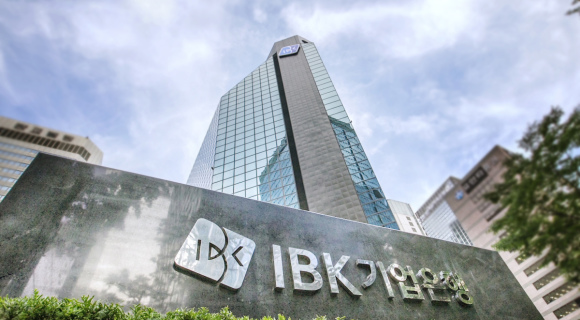
[사진= IBK기업은행]
기업은행(기은)의 경우에는 김부겸 더불어민주당 후보와 추경호 국민의힘 후보 모두 대구 이전을 공약으로 내걸었다.
김 후보는 지난 12일 열린 일곱 번째 공약 발표회에서 기은 본점 이전 추진과 대기업 유치를 강조하면서, 이를 통해 지역내총생산(GRDP)을 임기 내 100조 원 규모로 확대하겠다고 밝혔다.
추 후보 역시 지난 3월 국민의힘 토론회에서 국내외 대기업 투자와 함께 기은 대구 이전을 관철하겠다고 언급한 바 있다.
기은 역시 산은과 마찬가지로 지방 이전을 위해서는 기은법 개정 등 법령 정비가 우선이다. 이에 김 후보는 다수당 후보라는 점을, 추 후보는 초당적 협력을 각각 내세우고 있다.
이 같은 흐름에 금융권은 강하게 반발하고 있다. 전국금융산업노동조합(금융노조)은 잇따른 국책은행 지방 이전 공약과 관련해 수차례 성명을 내 "포퓰리즘에 눈먼 공약"이라며 "이를 저지하기 위해 총력을 다해 투쟁할 것"이라고 밝히며 전력을 집중하고 있다.
금융노조는 지방 이전 공동대응 태스크포스(TF)를 구성하는 등 조직적인 대응에도 나섰다. 지난달 15일에는 청와대 앞에서 기자회견을 열어 '기은 이전 공약 폐기'를 촉구하기도 했다. 현 정부가 다소 미온적인 산은 부산 이전보다, 여야 후보 모두 대구 이전을 약속한 기은 사태를 더 심각하게 보고 있다는 분석이다.
이에 따라 지방선거 이후 국책은행 지방 이전이 일방적으로 추진될 경우 금융권의 반발과 혼란이 더욱 가중될 수 있다는 우려가 제기된다. 이미 전 정권에서 산은 이전 사태로 심각한 갈등이 불거져 금융산업 전반에 악영향을 미친 만큼, 충분한 논의와 소통이 선행돼야 한다는 지적이다.
윤석구 금융노조 위원장은 "본점 이전은 노동자의 일터와 가족의 삶, 자녀 교육과 돌봄까지 흔드는 문제다. 당사자 설명도, 노조와의 협의도 없이 후보의 공약 한 줄로 금융노동자의 삶을 뒤흔들 수는 없다. 국책은행을 정치적 흥정물로 삼는 모든 시도에 맞서 끝까지 투쟁하겠다"고 강조했다.
peterbreak22@newspim.com
2026-06-02 11:31